
Wire and Cable Manufacturing ERP Systems: Why Generic Software Fails
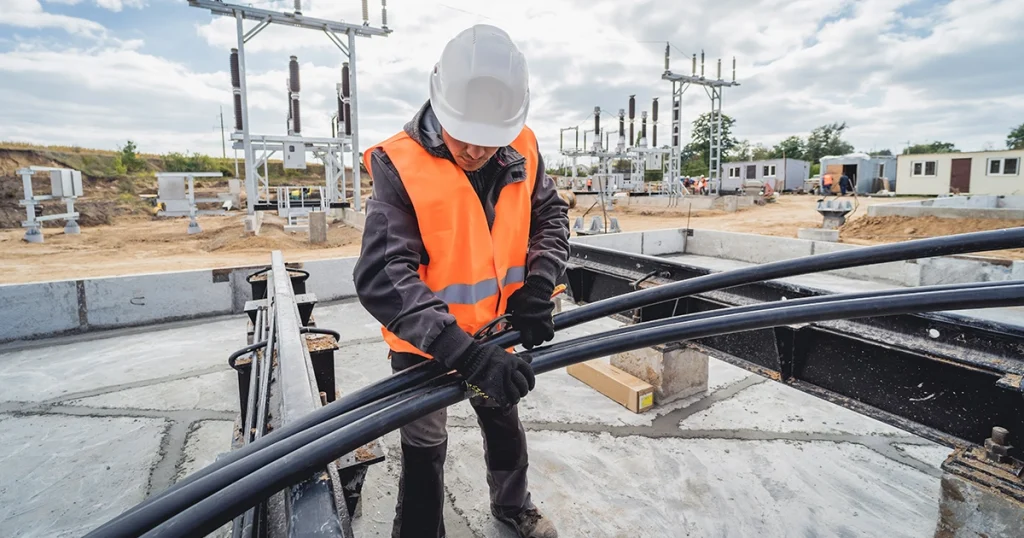
Generic wire and cable manufacturing ERP systems aren’t designed for the operational realities you face every day. You likely already run your business on an ERP system that checks several boxes—finance, inventory, purchasing, production. But it can’t manage footage-based inventory, reel and spool tracking, cut-to-length orders, or the variability that comes with engineered products.
Wire and cable manufacturers are increasingly moving away from generic platforms and toward industry-specific ERP systems like The Rubicon Group’s ERP software.
Table of Contents
- Why Do Generic ERP Systems Struggle With Wire and Cable Manufacturing?
- What Breaks Down When Core Requirements Aren’t Native?
- How Rubicon’s ERP for Wire and Cable Manufacturing Supports Native Workflows
- Restore Operational Control With ERP Built for Wire and Cable Manufacturing
- Frequently Asked Questions
Why Do Generic ERP Systems Struggle With Wire and Cable Manufacturing?
Most generic wire and cable manufacturing ERP systems are designed for piece-part manufacturing. This works well for businesses that track inventory in simple quantities, have production orders with fixed outputs, and move materials through linear steps.
Wire and cable manufacturing requires cut-to-length requirements, reel-based inventory, and footage-level visibility. Generic solutions can be configured to support some of these needs, but workarounds increase the risk of error and add friction to production.
Friction doesn’t mean the ERP has outright failed—it may still work well enough. However, it likely isn’t supporting your operation as well as a custom-fit ERP.
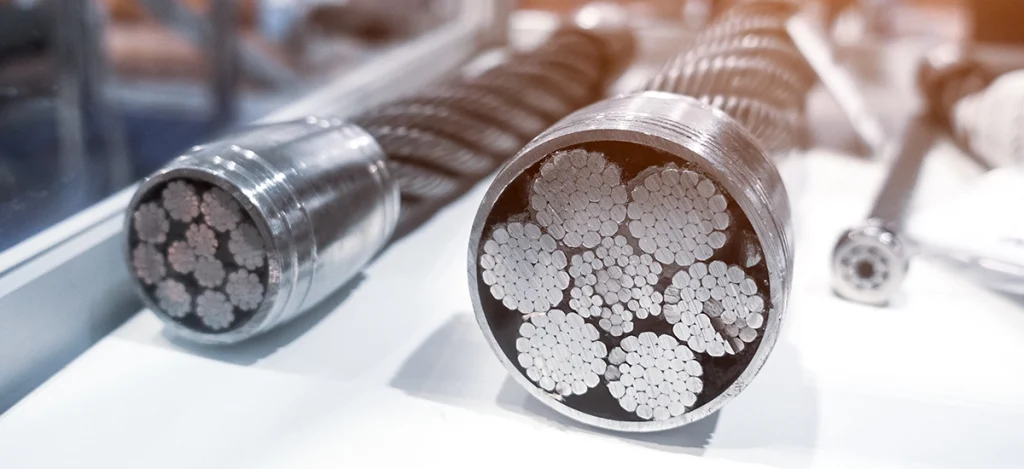
What Breaks Down When Core Requirements Aren’t Native?
Cracks don’t appear right away when using non-native wire and cable manufacturing ERP systems. Higher volumes, more SKUs, tighter customer requirements, and increasing compliance pressure eventually expose the limits of workaround-driven systems.
Over time, only a small group of users understands the logic behind every extra step. When those people leave or change roles, the rest of the organization is left navigating a system that’s difficult to learn, maintain, and teach to others.
Some examples include:
- Using unit conversions, manual adjustments, or shadow SKUs to manage footage-based material.
- Adding traceability after the fact instead of embedding it into the material flow.
- Manually attaching mill test reports and compliance documents that live in an external system.
Learn about the early warning signs that prompt manufacturers and distributors to reevaluate their wire and cable ERP.
How Rubicon’s ERP for Wire and Cable Manufacturing Supports Native Workflows
A purpose-built wire and cable manufacturing ERP system, like Rubicon’s, is designed for your industry, not adapted to it.
- Manages material as a continuous length, and ties directly to reels and production output.
- Embeds lot and heat traceability into the material lifecycle as it moves through production, cutting, reworking, and shipping.
- Integrates compliance documentation with material, production, and shipments.
Because workflows are native, the system supports real-time operations without added complexity or retrofitting.
Restore Operational Control With Rubicon’s Wire and Cable Manufacturing ERP Systems
When core workflows like cut-to-length processing, reel-based inventory, traceability, and compliance are handled through configuration and workarounds, the system slowly drifts away from operational reality.
Wire and cable manufacturing ERP systems must be built around the way you actually operate, not adapted after the fact. Rubicon provides a purpose-built ERP designed specifically for wire, cable, and rope manufacturers and distributors.
Frequently Asked Questions
Why do generic ERP systems fall short in wire and cable manufacturing industries?
Generic ERP systems aren’t built to handle continuous material, variable lengths, and reel-based inventory, which are critical aspects of wire, cable, and rope manufacturing operations.
Why does native functionality matter in wire and cable manufacturing ERP systems?
If the ERP isn’t built for the core functionalities of wire and cable manufacturing, like cut-to-length handling, traceability, and compliance, you must manage those through workarounds. The software will never fully align with how your operation runs.
What operational problems do generic ERPs create for wire and cable manufacturers?
Manual inventory, traceability, and compliance management are difficult to maintain, especially as your operation grows. Non-native processes increase risk, slow decision-making, and concentrate system knowledge in a small group of users.
Next Steps
The Last Software You'll Ever Need
Since 1984, our cloud-based enterprise resource planning software has helped over 200 businesses worldwide. Ready to learn more about how you can improve operations?